July 15, 2026
Property owners face difficult decisions when mature oaks, maples, or pines show visible signs of decline. The choice between saving a beloved specimen and cutting the trunk down requires thorough thought and expert evaluation. Balancing safety concerns, aesthetic desires, and environmental benefits presents a complex and ongoing challenge. Understanding the visible signs of structural failure versus treatable disease helps property managers make informed decisions.
Arboriculture science provides specific metrics for judging plant vitality and overall stability. Identifying the exact nature of the underlying problem dictates the appropriate course of action. Whether a trunk suffers from root decay, fungal infection, or spatial conflicts, specific evidence guides the final verdict. Objective analysis protects homes while maintaining natural beauty.
Assessing the Structural Integrity and Root Stability
Root systems anchor the canopy and provide essential nutrients from the soil. Damage to these underground networks compromises the stability and health of the entire organism. Excavation work or soil compaction near the base tends to cause irreversible harm to delicate feeder roots. Identifying severed roots or fungal growth remains crucial. Without a strong foundation, massive branches become a significant hazard.
Soil heaving around the trunk indicates a failing root system. When the ground lifts, the underground anchor no longer holds the weight above it. This condition requires immediate attention from qualified arborists. Ignoring obvious physical signs leads to catastrophic property damage during severe weather events. Wind storms and heavy rain exploit structural weaknesses, causing massive trunks to topple without warning.
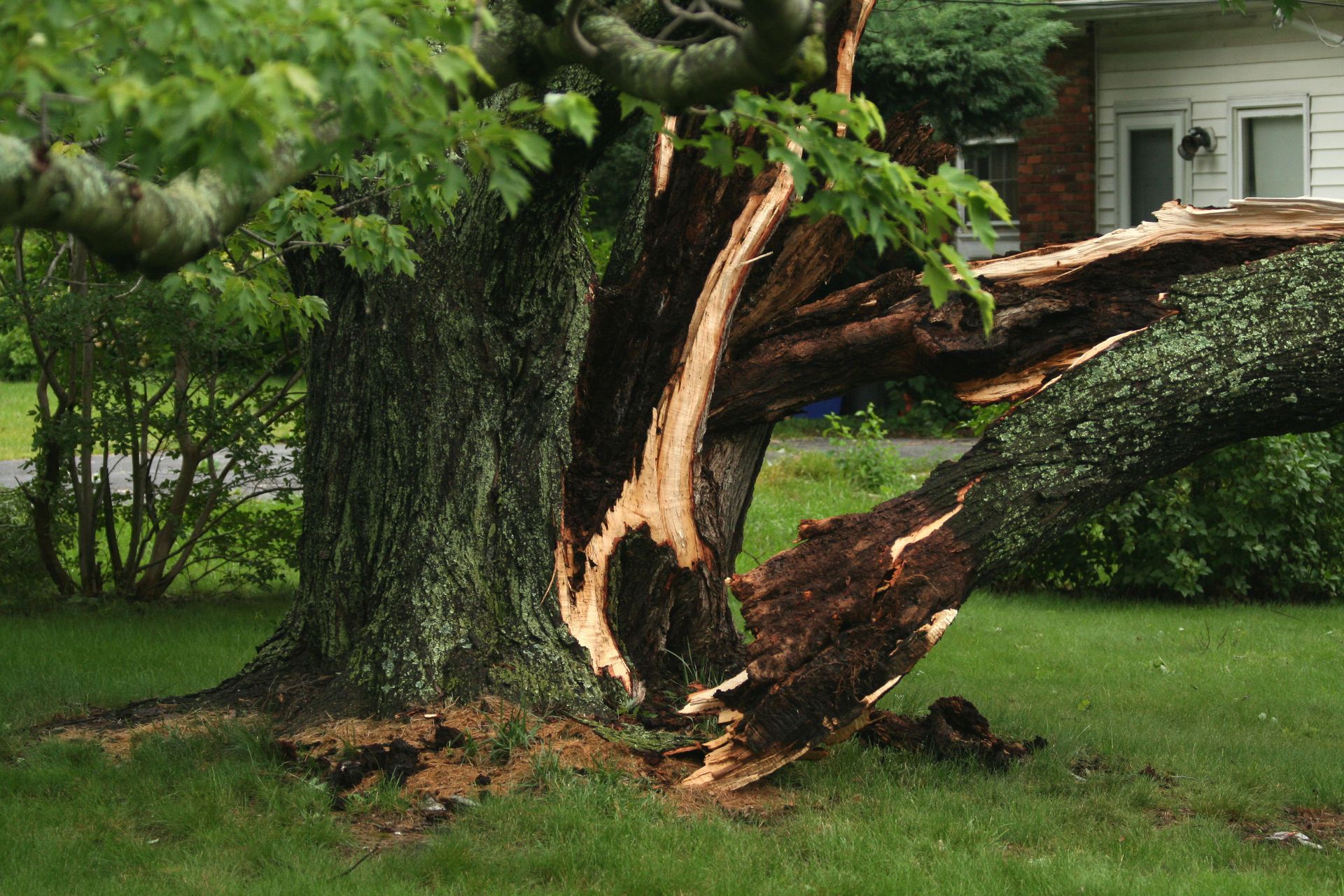
Trunk integrity matters just as much as root health. Deep vertical cracks or large open cavities weaken the main support column. Wood-decaying fungi feast on the interior heartwood, hollowing out the trunk from the inside. When significant portions of solid wood rot away, preservation becomes impossible. The structure cannot withstand twisting forces generated by wind moving through the canopy.
The trunk will sometimes lean precariously toward houses or power lines. According to Forbes, even healthy trees that are leaning more than 15% off vertical plumb should be removed as they pose a safety concern. Attempting to brace such leans wastes resources. In some cases, tree removal becomes the logical step to protect nearby structures.
Evaluating the Extent of Disease and Infestation
Pests and diseases ravage urban forests and private residential landscapes alike. Bark beetles bore into the phloem tissue, cutting off the flow of vital nutrients. Emerald ash borers leave distinct meandering patterns under the bark, signaling severe infestation. Early detection offers a window for chemical intervention or pruning. A proactive approach saves specimens from destruction. Ignoring insect damage guarantees complete loss.
Fungal infections spread through microscopic spores in the air or soil. Anthracnose and oak wilt defoliate canopies, leaving bare branches in mid-summer. Mild foliar infections respond well to targeted chemical treatments and proper sanitation practices. Severe systemic infections resist available therapies and continue their destructive path. Diagnosing the specific pathogen determines preservation viability. Misidentifying the disease leads to wasted effort.
Arborists evaluate the percentage of the canopy affected by progressive dieback. A specimen with a mostly full crown possesses enough energy reserves to recover from minor ailments. When the majority of branches die, the organism lacks the capacity to photosynthesize the required sugars. Extensive dieback signals the end of the natural life cycle. Pruning dead wood cannot cure underlying physiological collapse.
Determining the cost of prolonged treatment plays a massive role in the decision process. Continual pesticide applications or repeated fungal trunk injections require significant ongoing financial resources. If the prognosis remains poor despite aggressive medical intervention, experts recommend tree removal to prevent the spread of virulent pathogens. Eradicating the source protects the local ecosystem. Responsible land stewardship requires sacrificing sick specimens.
Analyzing the Impact on Surrounding Infrastructure
A massive canopy dominates available sunlight, casting deep and persistent shade on lawns and understory plants. Certain property owners desire more light for vegetable gardens or rooftop solar panels. Thinning branches offers a temporary solution for increasing light penetration. Aggressive pruning stresses the organism and stimulates rapid, weak regrowth. Altering the natural crown shape compromises aesthetic integrity. Sunlight desires cause profound conflict.
Underground root systems expand outward, seeking moisture and essential nutrients. Large surface roots lift concrete sidewalks, crack asphalt driveways, and infiltrate underground plumbing pipes. Installing physical root barriers mitigates minor conflicts between nature and human construction. Extensive infrastructure damage forces a permanent resolution. Repairing shattered sewer lines incurs enormous financial burdens. The clash between structural foundations and expanding roots necessitates choices.
Spatial constraints dictate the survival of large species in dense urban environments. A tiny sapling planted near a house will outgrow the available space over time. Branches rubbing against the roof damage asphalt shingles and metal gutters. Constant clearance pruning creates numerous entry points for disease and decay organisms. Friction between wood and building materials causes wear on both surfaces.
When a specimen physically outgrows the assigned location, preservation efforts fail. Relocating a mature trunk involves massive logistical challenges, heavy machinery, and high mortality rates. Therefore, strategic tree removal serves as a practical method for resolving severe space conflicts and preventing ongoing property damage. Clearing space allows for the installation of appropriate, smaller species. Replacing giant oaks solves spatial dilemmas.
Considering the Ecological and Aesthetic Value
Mature vegetation provides vital habitat for local birds, beneficial insects, and small mammals. Hollow trunk cavities offer secure nesting sites, while spring flowers provide nectar for native pollinators. The local ecological web relies on massive plants for daily sustenance and physical shelter. Eradicating such rich habitats disrupts established ecosystems and displaces wildlife populations. Maintaining diverse canopies supports urban biodiversity.
Beyond direct wildlife support, large leafy canopies reduce urban heat islands and filter harmful air pollution. Broad leaves capture airborne particulate matter and absorb greenhouse gases from the atmosphere. Compounding environmental benefits accumulate over years of steady growth. Preserving healthy specimens maintains crucial ecological services for the community. Shade cools houses during the summer months, reducing the demand for artificial air conditioning.
The unique aesthetic appeal of historic oaks or sweeping willows adds immense monetary value to residential real estate. Prospective buyers appreciate established landscaping and mature shade coverage. A majestic specimen anchors the visual design of an entire suburban property. Losing such a grand focal point diminishes overall curb appeal. Historic neighborhoods derive their charm from arching branches over the streets.
Dead or dying vegetation creates a depressing eyesore. Leafless branches, peeling bark, and fungal conks detract from the visual beauty of a curated landscape design. When preservation efforts fail to restore vitality to the organism, property managers must pivot their strategy. In these grim instances, tree removal clears the blighted space for new, healthy plantings. Regenerating landscapes ensures thriving outdoor environments.
Deciding between saving and eliminating a prominent landscape feature requires a thorough and objective assessment of all the facts. Root stability, disease progression, spatial conflicts, and environmental benefits factor into the complex equation. Property owners must weigh the distinct risks of catastrophic structural failure against the immense ecological value of preservation. Consulting certified arborists ensures objective evaluation. Sometimes, the safest and most prudent option is tree removal.
Land management demands careful planning and responsible, decisive action from property stewards. A decaying trunk overhanging a residential house presents an unacceptable physical hazard to all inhabitants. Conversely, a sturdy and healthy specimen with a minor, treatable pest issue deserves targeted medical treatment. Understanding obvious signs of irreversible structural decline protects financial assets and natural environments. Responsible tree removal and thoughtful preservation work together to create safe, beautiful outdoor spaces. At Testerman Tree Service LLC, we understand how difficult these land management decisions are for property owners. Contact us today for an expert evaluation to determine if preservation or tree removal is the right choice for your landscape.