October 19, 2026
After a severe storm, the most obvious damage may be a tree across the driveway or branches scattered over the lawn. Yet the condition of trees still standing can be just as important as the debris on the ground. A broken limb caught in the canopy or a newly leaning trunk can leave part of the property unsafe even after the weather clears. Storm cleanup therefore begins with understanding what changed and where the remaining hazards are. Until damaged trees have been assessed, keeping people and pets away from affected areas limits unnecessary exposure.
Professional storm cleanup addresses both damaged trees and the material they leave behind. A tree service company can assess unstable trees, remove hazardous limbs, and haul away fallen wood, with the work shaped by conditions on the property. A blocked entrance may restrict access to the yard, while a hanging branch can make an otherwise clear walkway unsafe. Considering these problems together helps restore usable space without overlooking damage above or beside the area being cleared.
Looking Beyond the Debris on the Ground
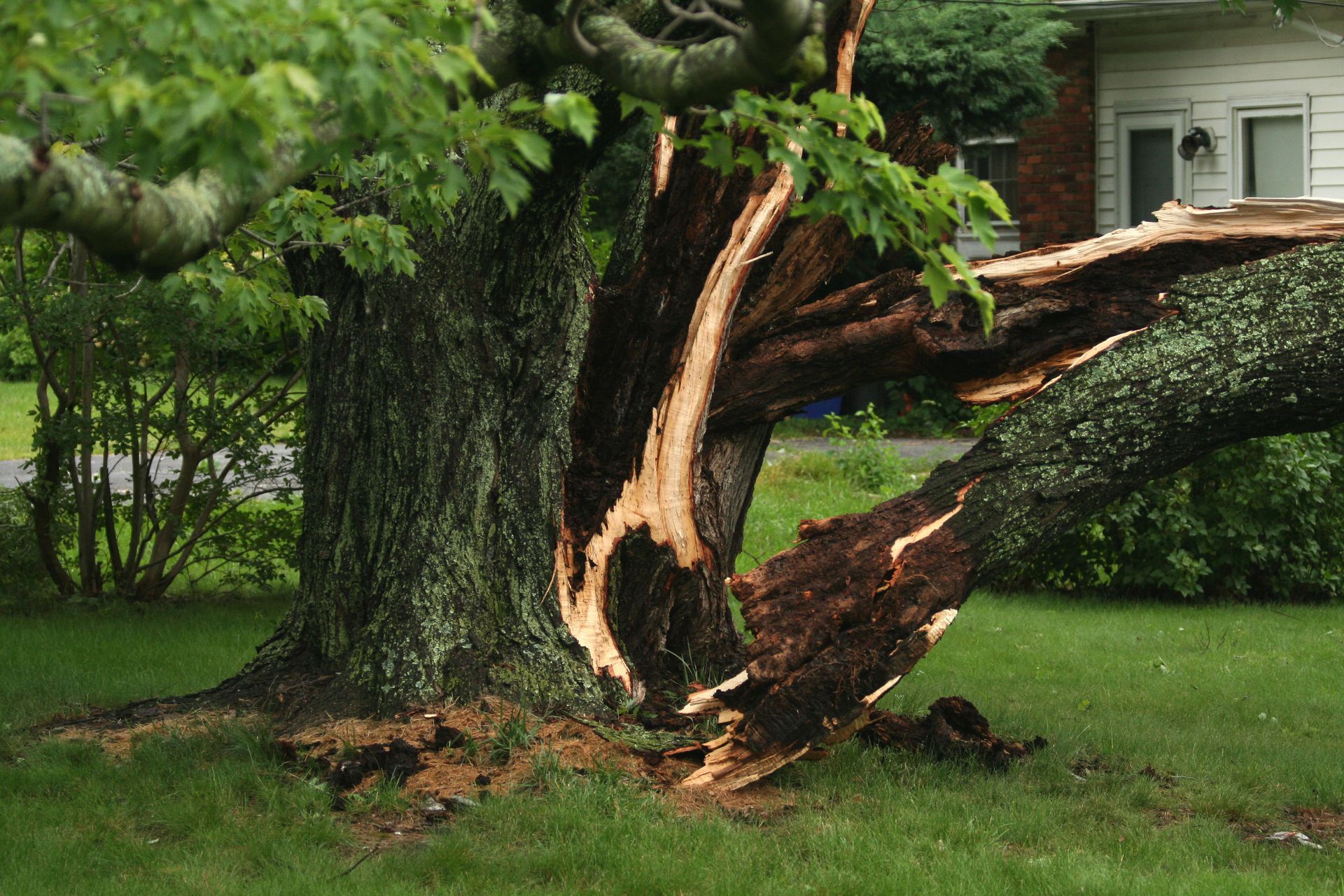
A yard does not need a completely fallen tree to require professional attention. Storms can leave split trunks, partly detached branches, or roots lifted from the soil, creating concerns that are easy to overlook among scattered leaves and twigs. Assessment considers the condition of the trunk, branch attachments, and root system, along with the tree's position near buildings and frequently used areas. Those details help distinguish routine debris cleanup from damage that calls for urgent removal or pruning.
To judge the urgency of the work, a tree service company considers the people and property near a damaged tree. A leaning tree beside a garage presents a different situation from a broken branch lying in an open yard, even if both resulted from the same storm. Nearby trees may also show damage, so attention should extend beyond the first visible obstruction. Branches and trees near entrances, buildings, and other regularly used spaces can interrupt access or threaten nearby property.
Accounting for Tree Size and Surrounding Space
Tree size affects the scale of storm cleanup, particularly when a trunk or canopy extends across several parts of a property. According to The Spruce, small trees measure 10 to 20 feet tall, medium trees reach 20 to 30 feet, and extra-large trees such as cottonwoods can stand 50 feet or more. These differences help explain why a fallen tree may involve a much larger working area than its original footprint suggests. Height, branch spread, and the direction of the fall all matter when planning removal.
Working room can be limited even on a property with a sizeable yard. A tree may come down between neighboring homes, lean over a fence, or leave branches resting close to a parked vehicle. In those settings, a tree service company must account for nearby structures and access restrictions as well as the damaged tree itself. Experience with large trees in dense residential areas is particularly relevant because the removal needs to fit the available space without creating additional hazards around it. A narrow passage beside a house or a tree wedged between structures can leave little room to reach and remove the damaged wood.
Removing Damaged Trees Without Adding to the Disruption
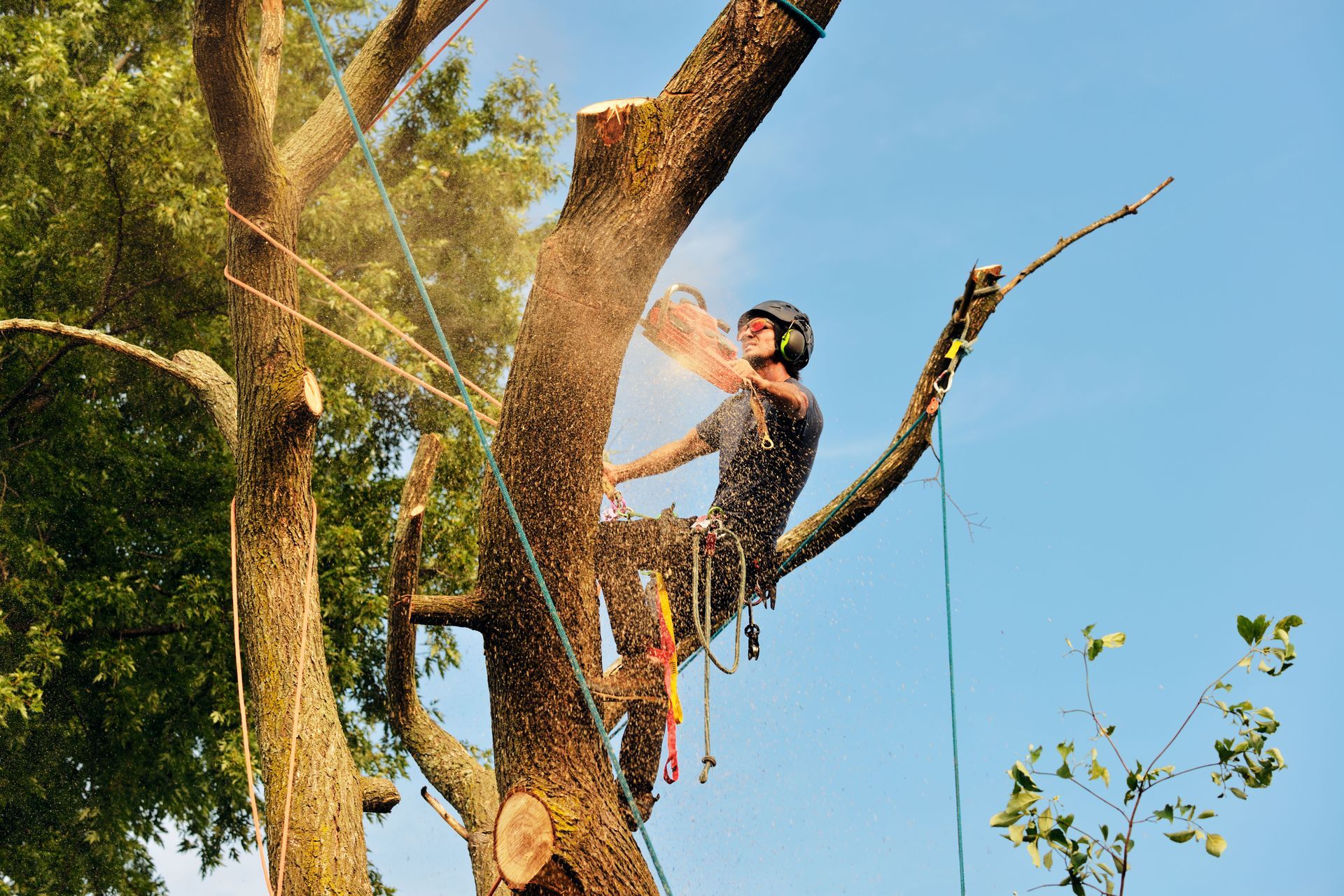
A storm-damaged tree may be resting on other branches, caught against a structure, or partly supported by roots that have shifted. Its position can make removal more complicated than the cleanup of wood already lying freely on the ground. Professional handling takes these relationships into account before the tree is cut and removed. The goal is to address the hazard while maintaining control over work close to buildings, vehicles, and other features of the property.
This is also why blocked access deserves attention early in the response. A fallen tree across a driveway can interrupt ordinary travel and restrict the route needed for cleanup equipment. Emergency removal addresses the obstruction alongside any unstable limbs or trees that threaten the same area. A tree service company can address the blocked route together with hazards around it, including broken branches above areas where people will resume walking or driving.
Completing Cleanup With Debris Removal
Removing the main hazard often leaves a considerable amount of material behind. Smaller branches, sections of trunk, and storm debris can cover paths or make it difficult to move through the yard comfortably. Complete debris hauling carries the cleanup beyond cutting and extraction by removing that material from the property. When several trees sustain damage, scattered limbs and trunk sections can extend the cleanup across multiple parts of the property, making hauling an important part of the work.
The condition of the finished area deserves attention alongside the removal itself. A driveway may be open while nearby branches still obstruct an entryway, and a lawn may remain difficult to use if cut wood is left across it. Complete hauling addresses those leftover obstructions as well as the larger pieces produced during tree removal. Hauling away the wood allows cleared areas to return to everyday use, whether that means reaching a side entrance, parking in the driveway, or walking through the yard.
Preserving Trees That Can Remain
Storm damage does not automatically mean that every affected tree must be removed. Depending on the damage and the tree's overall condition, strategic pruning may address broken or hazardous limbs while allowing the rest of the tree to remain. Broken branches and a compromised trunk raise different questions about how much sound structure remains and whether the tree can be retained. The assessment weighs the extent of damage alongside the tree's health, avoiding a decision based solely on how dramatic the damaged canopy looks.
Preservation gives storm cleanup a purpose beyond clearing everything from the affected area. A mature tree can remain an important part of the property's shade and appearance when its condition supports retention. Careful decisions about pruning and removal allow those benefits to be considered alongside immediate safety needs. A tree service company that handles preservation and removal can explain whether pruning is appropriate or whether the damage calls for taking the tree down.
Connecting Emergency Response With Future Care
The need for urgent help can arise well outside regular business hours. Hanging limbs, trees leaning toward buildings, and blocked access points warrant prompt professional attention because the storm's passing does not resolve the damage it caused. Around-the-clock emergency services provide an option for seeking help when a dangerous tree situation develops overnight or during a weekend. Early communication about the location and visible damage helps establish the immediate concerns without requiring the owner to approach an unstable tree.
Once urgent cleanup is complete, the damage can also reveal areas that deserve continued attention. A remaining tree with a weakened branch attachment or previous storm damage may benefit from assessment before another weather event. Recommendations from a tree service company may include strategic pruning or removal of vulnerable limbs to reduce identified hazards while supporting the trees that remain. For the owner, knowing which trees need additional care makes it easier to arrange attention to specific problems before the next round of severe weather.
Storm recovery is easier to manage when damaged trees no longer restrict how people use the property. The aim is a usable outdoor space, with hazardous wood removed and decisions about affected trees based on their condition. At Testerman Tree Service LLC, we help property owners address storm-damaged trees and clear away the debris they leave behind. Contact us to discuss the storm damage on your property and the next steps for cleanup.