November 13, 2026
A vibrant landscape serves as the living foundation of any residential or commercial parcel, establishing visual grace and delivering substantial ecological advantages. Beyond simple aesthetic appeal, mature specimens purify local air, cool living spaces naturally during peak summer months, and offer vital habitats for regional wildlife. Preserving this natural heritage demands careful oversight, structural insight, and a commitment to ongoing wellness. Untended branches and unseen internal wood decay can quietly turn majestic assets into serious liabilities, threatening roofs, vehicles, and pedestrian footpaths. Managing these complex living systems requires systematic attention that harmonizes biological requirements with structural preservation to ensure every canopy remains an asset rather than a hazard.
Engaging a dedicated tree service guarantees that every arboricultural decision aligns with rigorous safety parameters, scientific principles, and regional growth patterns. Professional assessment evaluates root stability, soil aeration, and trunk integrity long before adverse weather tests the resilience of the upper branches. Proactive maintenance protects nearby physical architecture from encroaching limbs and root intrusion while amplifying overall curb appeal. By choosing comprehensive management over neglected growth, property owners establish a stable exterior environment capable of withstanding turbulent seasons.
Identifying Structural Liabilities and Mitigating Seasonal Storm Hazards
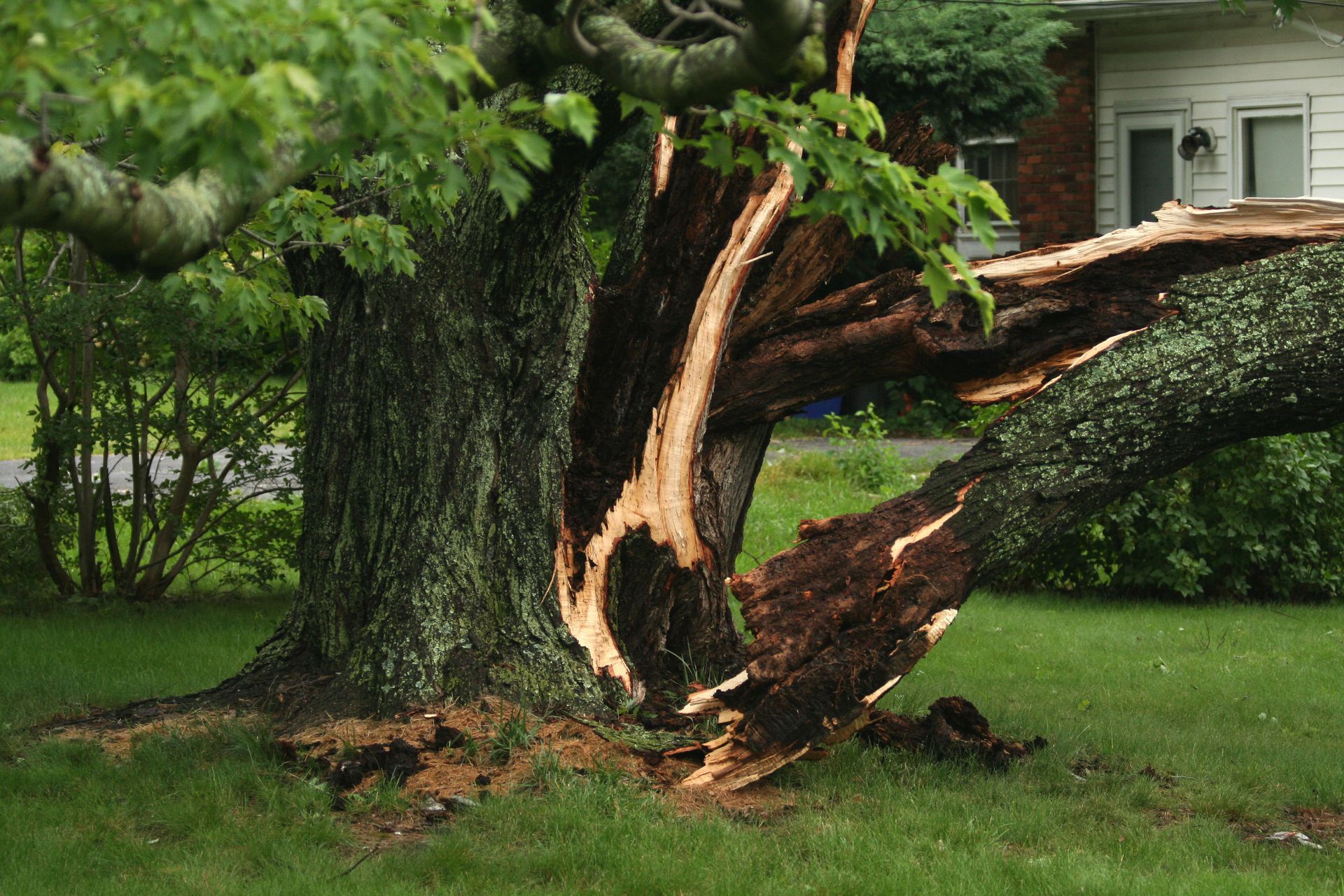
Structural vulnerabilities in mature canopies often develop silently within internal timber systems, escaping notice until extreme wind or heavy ice triggers sudden catastrophic mechanical failure. Weak branch unions characterized by included bark, heavy codominant stems, and concealed fungal pockets drastically diminish the mechanical strength of large limbs. Professional arboricultural evaluations systematically examine these structural weak points using noninvasive diagnostic tools, sounding mallets, and visual crown assessments. Identifying these defects before the onset of annual storm seasons allows for targeted corrective actions such as canopy thinning, crown reduction, or the installation of noninvasive flexible cabling systems.
Investing in professional tree care can yield significant returns, according to U.S. News, which reports an average 87% return on investment; thus, it's a financially sound decision. Preventative structural pruning directly prevents devastating structural damage to residential structures, detached outbuildings, overhead utility services, and decorative grounds. Unbalanced weight distributions in rapidly maturing crowns create immense torsional leverage during torrential downpours, predisposing compromised trees to complete uprooting if root anchorage is compromised. Certified arborists evaluate subsurface soil saturation levels, rooting depth, and external lean indicators to determine overall stability. Scheduling timely canopy adjustments safeguards physical surroundings while fostering balanced crown architecture capable of sustained, safe development over multiple decades.
Pruning Canopies for Long-Term Structural Health and Crown Aeration
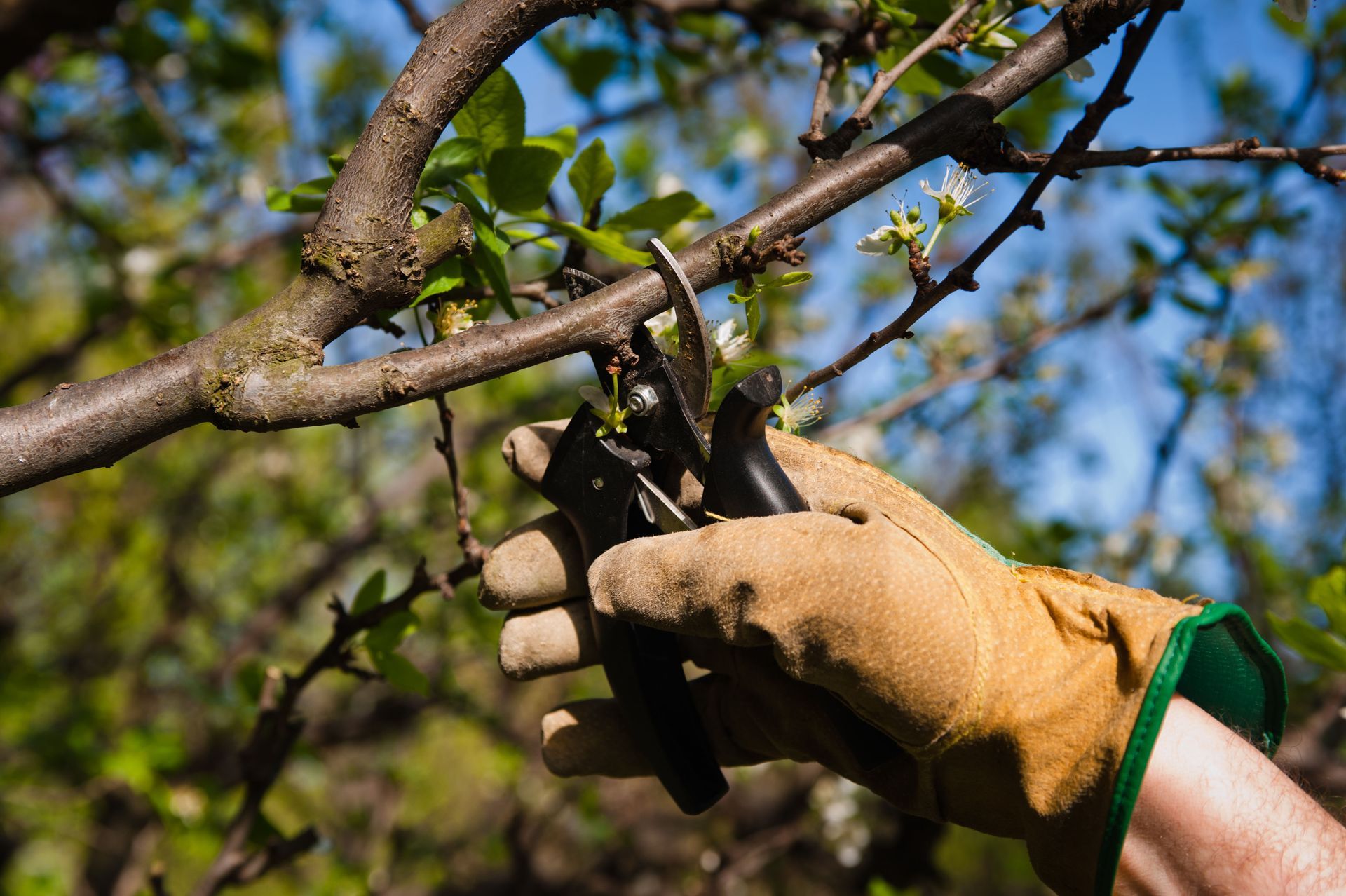
Targeted canopy maintenance represents a foundational practice within modern arboriculture, directly influencing the photosynthetic efficiency, airflow dynamics, and structural longevity of each tree. Professional pruning removes dead, crossing, fractured, or diseased limbs while maintaining the natural central leader of the specimen. Proper branch removal respects the critical branch collar zone, ensuring that natural protective chemical barriers seal wounds efficiently without allowing pathogens to breach inner sapwood. By eliminating dense, crowded interior foliage, professional trimming enhances light penetration throughout lower branch whorls while facilitating laminar airflow that reduces wind resistance during storms.
Precise crown adjustments performed by trained specialists prevent erratic growth patterns that destabilize balanced weight distribution over time. Standard commercial tree service procedures utilize specialized equipment, including bucket lifts, aerial rigging lines, and precision bypass tools to execute immaculate cuts at prescribed angles. Careful reduction of end-heavy horizontal limbs minimizes mechanical strain on primary structural unions without subjecting the tree to severe shock. Unlike outdated, harmful topping practices that trigger hazardous weakly attached water sprouts, scientific crown thinning fosters natural, resilient crown forms. Sustained canopy care allows trees to process sunlight efficiently, channel essential nutrients evenly, and maintain clean separation from building roofs, utility lines, and vehicular rights of way.
Managing Systemic Pathogens and Controlling Invasive Insect Invasions
Arboreal specimens face perpetual pressure from aggressive fungal pathogens, bacterial leaf scorches, and destructive wood-boring insects capable of collapsing mature vascular systems. Pathogens such as root rot, bacterial wetwood, and anthracnose weaken structural wood density while interrupting the upward transport of water and soil nutrients. Concurrently, invasive insects like emerald ash borers, bark beetles, and scale insects feed upon cambium layers, systematically starving canopy foliage and triggering progressive branch dieback. Detecting these biological infestations demands specialized diagnostic insight, from reading subtle sap seepage and bark fissures to identifying fine exit holes and localized leaf chlorosis. Professional arborists conduct comprehensive crown examinations to identify infectious vectors before secondary bacterial pathogens compromise entire vascular rings.
Remediating arboreal diseases requires an Integrated Pest Management approach that blends soil micro-injections, targeted systemic treatments, and strategic sanitation pruning. By injecting targeted compounds directly into root flares or lower trunk tissues, specialists distribute protective elements throughout the foliage without releasing chemicals into surrounding lawns or waterways. Encouraging beneficial biological antagonists and optimizing local soil biochemistry further boosts internal natural defenses against pervasive seasonal stress. Arborists assess site hydrology and root collar aeration to eliminate environmental factors that make root systems vulnerable to soil-borne fungi. Maintaining this multi-tiered biological defense preserves mature shade canopies, arresting localized contagion cycles before pathogen populations spread to neighboring ornamental plantings.
Removing Hazardous Trees and Grinding Subsurface Stump Systems
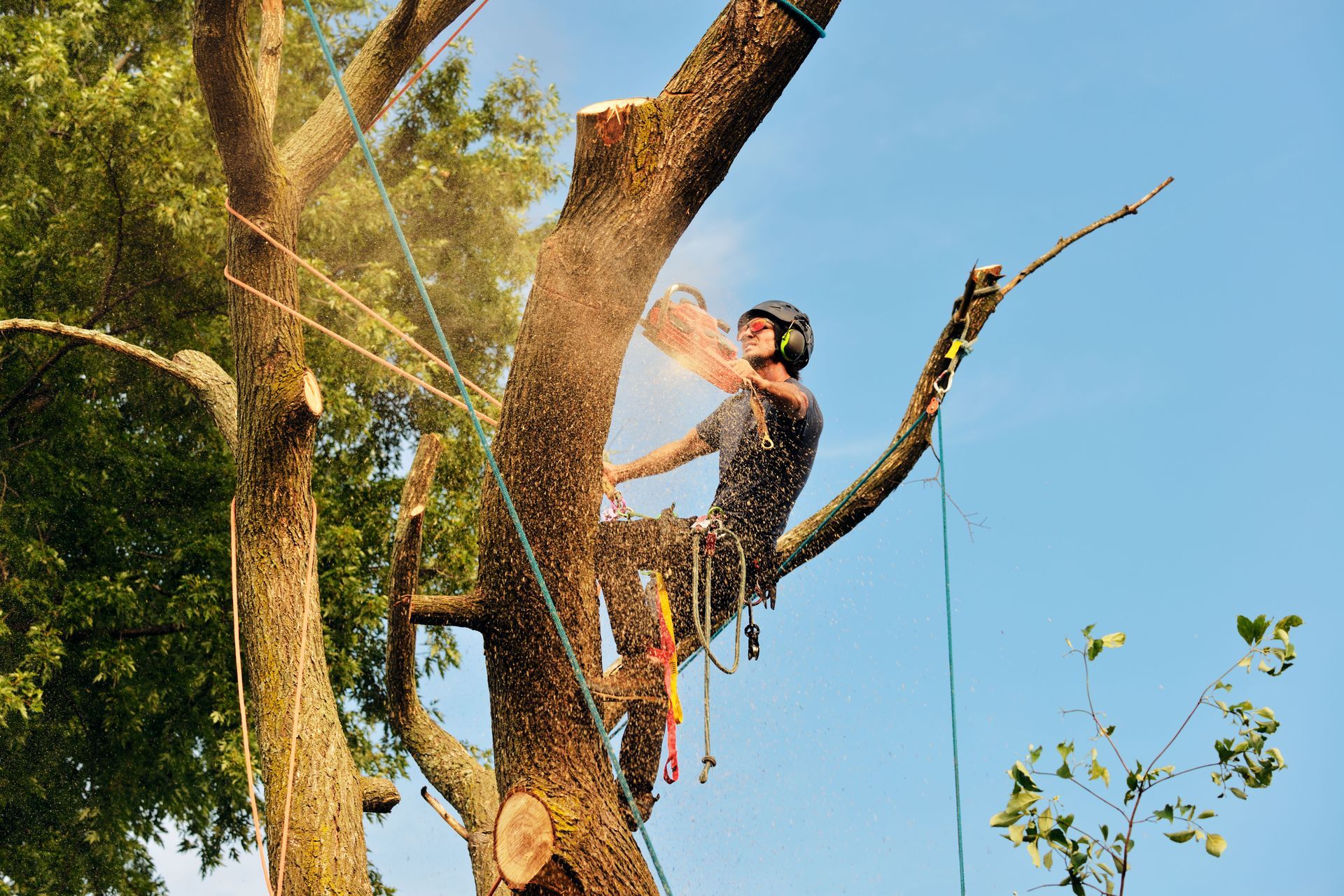
Complete specimen removal becomes unavoidable when severe internal decay, extensive structural failure, or irremediable root damage compromises stability. Removing massive, compromised trees from tightly confined urban landscapes demands advanced mechanical rigging techniques, mobile cranes, and specialized drop-zone calculations. Trained aerial crews systematically dismantle large canopies from the upper crown downward, using static friction devices and specialized rigging pulleys to lower heavy timber segments with pinpoint accuracy. This precise execution eliminates impact shock on saturated ground and prevents collateral damage to hardscapes, manicured lawns, or adjacent architecture. Rigorous adherence to modern safety standards guarantees that dangerous extractions proceed smoothly without endangering property or residents.
Once the primary timber structure has been safely dismantled and cleared, the remaining trunk base presents an ongoing obstacle that requires immediate remediation. Left untreated, deteriorating wood attracts wood-destroying termites, carpenter ants, and opportunistic fungal fruiting bodies that spread biological decay through surrounding soil networks. High-powered stump grinding machinery methodically reduces stubborn wood structures and primary root flares twelve to eighteen inches below the surrounding ground grade. The resulting clean wood chips can be cleared away or recycled as organic mulch, preparing the newly leveled plot for lush turf re-establishment or ornamental plantings. Thorough stump eradication restores total ground usability while permanently removing trip hazards and subterranean pest habitats.
Cultivating Soil Biology and Improving Subsurface Root Environments
Sustained tree vitality depends upon the chemical balance, microbial life, and physical structure of the underlying soil ecosystem. In developed suburban properties, mechanical soil compaction routinely deprives root systems of adequate oxygen, preventing proper moisture infiltration and causing slow root suffocation. Specialized arboricultural teams combat this widespread condition through pneumatic air spading and systematic vertical mulching. By utilizing high-pressure air excavation, technicians loosen compacted soil strata around sensitive feeder roots without tearing protective bark membranes. This mechanical decompaction restores critical pore spaces, allowing essential atmospheric oxygen and surface precipitation to reach the primary feeding zone beneath the outer canopy drip line.
Supplementing this refreshed soil matrix with organic humates, slow-release bio-nutrients, and mycorrhizal fungi transforms barren dirt into a fertile growing medium. Certified crews establish broad rings of organic wood mulch over root zones, moderating volatile subterranean soil temperatures, retaining natural moisture reserves, and suppressing aggressive weed competition. Selecting organic fertilizers tailored to specific mineral deficiencies identified in baseline laboratory soil tests ensures trees receive balanced, bioavailable nutrition without promoting excessive, structurally weak foliage growth. Enhancing root environments significantly increases systemic resistance to environmental stressors like prolonged summer droughts and severe winter frost heaving, ensuring healthy root development that sustains long-term canopy vitality.
Preserving a safe, flourishing outdoor setting requires consistent professional care, scientific insight, and dedicated preventative maintenance across every season. From diagnosing hidden structural flaws and eliminating pest vectors to aerating compacted soil profiles, expert management preserves the ecological and financial worth of your living landscape. Selecting a premier
tree service guarantees that every tree receives tailored, species-specific care executed under strict industry safety protocols.
Partnering with experienced local arboricultural specialists safeguards your landscape investments against seasonal storms and internal biological decay. For exceptional arboricultural management, comprehensive site assessments, and reliable canopy care across your property, contact Testerman Tree Service LLC today to schedule an initial consultation with our certified arborists.